Find gra certificate star ring for Jewelry, Gifts, and Decorations
Source 30 products featuring a gra certificate star ring design suitable for wedding jewelry, gifts, and decorative items. Buyers can compare specifications including material, shape, and customization options from verified suppliers.
Key considerations
Products List


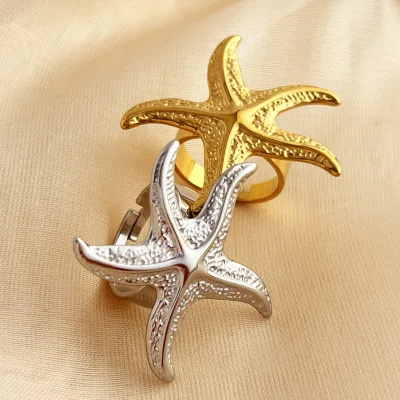
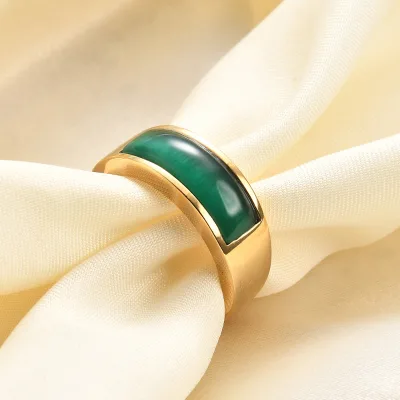

Comprehensive Sourcing Guide
Strategic Sourcing Guide for Certified Star Rings and Related Components
Understanding the Product Landscape and Technical Specifications
When sourcing products under the keyword "gra certificate star ring," buyers must first navigate a complex market that often blends high-end jewelry with industrial sealing components. The provided data reveals a distinct bifurcation in product attributes that defines the procurement strategy. On one side, there are precision-engineered industrial seals characterized by specific model numbers such as ULT-XR-47, ULT-XR-38, and ULT-XR-11. These items are defined by their application in vehicles, household appliances, and machinery, featuring a working temperature range of -50 to +260°C and hardness levels between 50sha and 90sha. The cross-section for these industrial components typically ranges from 1.50mm to 20mm, with inner diameters spanning from 5mm to 10 meters.
Conversely, the keyword search often leads to consumer-facing jewelry items. The data indicates the existence of rings with specific attributes such as "Gray Moissanite Ring," "Inlaid Ring," and "Oval" shapes. These items are described with a "Simple" style, intended for "Wedding, Decoration, Gift," and are often associated with female gender markets. The material specification for these jewelry items is listed as "Gold," with a polish quality rated as "Excellent" and clarity noted as "Vvs." The gemstone size is customizable, and the weight depends on the specific size selected.
It is critical for the buyer to distinguish between these two distinct product categories before initiating a procurement process. A "star ring" in a jewelry context refers to a gemstone with asterism, whereas an industrial component might be a seal with a star-shaped cross-section or a specific model designation. The provided facts list specific models like ULT-QR-12 and ULT-XR-59, which belong to the industrial sealing category, while other entries like GORI000316 refer to jewelry. Confusing these categories can lead to significant procurement errors, as the technical requirements, compliance standards, and cost drivers are entirely different.
Compliance, Certification, and Material Verification
Compliance and certification are paramount when sourcing either industrial seals or certified gemstone jewelry. The supplied data explicitly lists a robust set of certifications for the industrial sealing products, including SGS, FDA, CE, RoHS, Reach, and Ts16949. These certifications indicate that the manufacturer adheres to strict international standards for safety, environmental impact, and automotive industry quality management. For buyers sourcing industrial components, verifying the current validity of these certificates is a non-negotiable step. The presence of Ts16949, for instance, suggests a capability to serve the automotive sector, which requires rigorous quality control protocols.
In the jewelry sector, the concept of a "GRA certificate" (Gemological Research Association) is a specific standard for gemstone grading. While the provided text mentions "Vvs" clarity and "Excellent" polish for the moissanite rings, it does not explicitly confirm the presence of a GRA certificate for every listed item. Buyers must verify if the specific "Gray Moissanite Ring" or "Gold" items they are considering come with independent gemological certification. The data notes that the gemstone weight depends on size, which implies that certification documents must be item-specific rather than generic.
Furthermore, the material specifications require careful attention. The industrial seals are likely made from elastomeric materials capable of withstanding extreme temperatures, while the jewelry items are specified as "Gold." Buyers should request material composition reports to confirm the purity of the gold and the synthetic nature of the moissanite. The data also mentions a "Standard: As568 or Non-Standard" for the industrial seals, which refers to the AS568 standard for O-ring sizes. This is a critical verification point; if a buyer requires AS568 compliance, they must ensure the supplier can provide documentation proving the dimensions match this specific standard.
Cost Drivers and Pricing Structures
The pricing landscape for these diverse products is influenced by several distinct factors. The observed price range in the data spans from $0.01 to $436, a variance that reflects the difference between a single industrial seal and a high-value piece of jewelry. For industrial components, the cost is driven by the complexity of the molding process, the material grade required for the -50 to +260°C operating range, and the quantity ordered. The data indicates a minimum order quantity (MOQ) range of 1 to 5600 units. For buyers seeking to minimize costs, understanding that the MOQ can be as low as 1 unit for jewelry (specifically noted as "1 PCS" for the ring) versus potentially higher volumes for industrial seals is essential.
For jewelry items, the cost drivers are primarily the material weight, the gemstone quality, and the craftsmanship. The "Gray Moissanite Ring" with "Vvs" clarity and "Excellent" polish commands a higher price point than standard jewelry. The "Gold" material specification further increases the base cost, which fluctuates with market rates. Buyers should note that the price term is listed as "Fob, CIF, Ex-Work and C&F," which significantly impacts the final landed cost. Selecting an Ex-Work term might lower the unit price but increases the buyer's responsibility for logistics and insurance.
The table below outlines the primary cost drivers for the two distinct product categories identified in the data:
| Cost Driver | Industrial Seals (e.g., ULT-XR Series) | Jewelry Items (e.g., Moissanite Ring) |
|---|---|---|
| Primary Material | Elastomer (Temperature resistant) | Gold, Moissanite |
| Volume Sensitivity | High (MOQ up to 5600) | Low (MOQ 1 PCS) |
| Certification Impact | Ts16949, SGS, FDA add compliance cost | GRA/Gemological certificates add value |
| Customization | Available (Any Size per Requirements) | Customized Gemstone Size |
| Logistics | Sea, Air, Express (7-15 Days) | Express (FedEx, DHL, etc.) |
Typical Applications and Usage Scenarios
The application scenarios for these products are as divergent as their specifications. Industrial seals, identified by models like ULT-XR-47 and ULT-XR-38, are designed for use in vehicles, household appliances, electronic products, machinery, and industrial components. Their ability to function as a "Wiper Seal" or "Hole with Seal" in extreme temperatures makes them suitable for harsh environments where leakage prevention is critical. The "Molding" process mentioned in the data suggests these are mass-produced components for assembly lines.
In contrast, the jewelry items, such as the "Gray Moissanite Ring," are intended for personal adornment and gifting. The data specifies usage scenes including "Jewelry, Necklace, Earring, Rings, Bracelet, Watch." The "Simple" style and "Oval" shape cater to modern aesthetic preferences, while the "Wedding, Decoration, Gift" usage tags highlight their role in significant life events. The "Female" gender specification further narrows the target demographic. Buyers sourcing these items should consider the end-user's expectations for durability and aesthetic appeal, as jewelry is subject to different wear and tear compared to industrial machinery parts.
Supplier Evaluation and Verification Protocols
Evaluating a supplier for either category requires a rigorous vetting process based on the available data. For industrial suppliers, the presence of "Ts16949" certification is a strong indicator of quality management systems suitable for the automotive industry. Buyers should verify that the supplier's "Molding" process is capable of maintaining the tight tolerances required for the AS568 standard. The "Sample Time" of 3 to 7 days and "Delivery Time" of 7 to 15 days are standard benchmarks; deviations from these timelines may indicate production bottlenecks or logistical issues.
For jewelry suppliers, the evaluation should focus on the authenticity of the "Gold" and "Moissanite" materials. The "Excellent" polish and "Vvs" clarity are subjective claims that must be backed by third-party grading reports. The data lists "SGS, FDA, CE, RoHS, Reach and Ts16949" as certificates, but buyers must confirm if these apply to the jewelry line or only the industrial line. The "Customization: Available" attribute is a positive sign for flexibility, but it requires clear communication of design specifications to avoid errors. The "OEM/ODM: Welcome" status suggests the supplier is open to private labeling, which is crucial for buyers looking to build their own brand.
Quality Control and Inspection Standards
Quality control (QC) is a continuous process that begins with the raw material and ends with the final product inspection. For industrial seals, the "Working Temp: -50 to +260°C" and "Hardness: 50sha to 90sha" are critical quality parameters. Buyers should implement incoming inspection protocols that verify these physical properties against the specified ranges. The "PE Bag Inside, Carton Box Outside" packing method is designed to protect the seals during transit, but buyers should inspect for any damage to the packaging that could compromise the product integrity.
For jewelry, the "Polish: Excellent" and "Clarity: Vvs" attributes require visual and microscopic inspection. The "Inner Diameter: 5mm to 10 Meters" for industrial seals highlights the need for precise measurement tools, whereas jewelry requires gemological loupe inspection. The "Sample Express" options like DHL, TNT, UPS, and FedEx allow for rapid sample evaluation, which is a vital part of the QC process. Buyers should request pre-shipment samples to verify that the final product matches the agreed-upon specifications regarding color, shape, and material.
Long-Term Procurement and Logistics Considerations
Long-term procurement success depends on establishing reliable logistics and payment terms. The data indicates flexible payment options including "T/T, L/C or Western Union" for industrial goods and "West Union/Credit Card/Bank Transfer" for jewelry. Buyers should assess the risk profile of each payment term; L/C offers more security for large industrial orders, while T/T is common for established relationships. The "Transportation" methods listed—by Sea, by Air, or by Express—offer flexibility based on urgency and budget.
The "Delivery Time" of 7 to 15 days is a key factor in supply chain planning. For industrial components, this lead time must be factored into production schedules to prevent downtime. For jewelry, the faster "Sample Express" times allow for quicker market testing. The "Standard: As568 or Non-Standard" note implies that buyers should plan for potential customization lead times if non-standard sizes are required. Finally, the "Location: China" origin suggests that buyers must consider import duties, tariffs, and potential geopolitical factors that could affect the supply chain stability. Establishing a long-term contract with a supplier who can consistently meet the "3 Days to 7 Days" sample time and "7 Days to 15 Days" delivery time is essential for maintaining a competitive edge in the market.
FAQs
What certifications are available for industrial sealing components?
Industrial sealing components come with certifications including SGS, FDA, CE, RoHS, Reach, and Ts16949. These documents verify compliance with international safety and quality standards for automotive and industrial applications.
How long does it take to receive samples for custom orders?
Sample time ranges from 3 days to 7 days for most custom requests. Express shipping options like DHL, TNT, UPS, and FedEx are available to deliver these samples quickly to your location.
Which temperature range can the seals withstand during operation?
The seals function effectively within a working temperature range of -50 to +260 degrees Celsius. This wide range ensures reliability in both extreme cold and high-heat industrial environments.
Can buyers customize the size and dimensions of the products?
Customization is available for any size according to specific requirements. Buyers can request non-standard dimensions or specific inner diameters ranging from 5mm to 10 meters based on their needs.
What payment terms are accepted for bulk industrial orders?
Accepted payment terms include T/T, L/C, and Western Union for industrial components. These flexible options accommodate different transaction sizes and international trade requirements for buyers.
Which materials are used for the jewelry ring products?
Jewelry rings are crafted using Gold material with Gray Moissanite gemstones. The clarity is rated Vvs with excellent polish, suitable for wedding and decorative purposes.
How are the industrial seals packed for safe transportation?
Products are packed with a PE bag inside and a carton box outside. This packaging method protects the seals from damage during sea, air, or express transportation.